

From custom code complexity to scalable no-code performance.
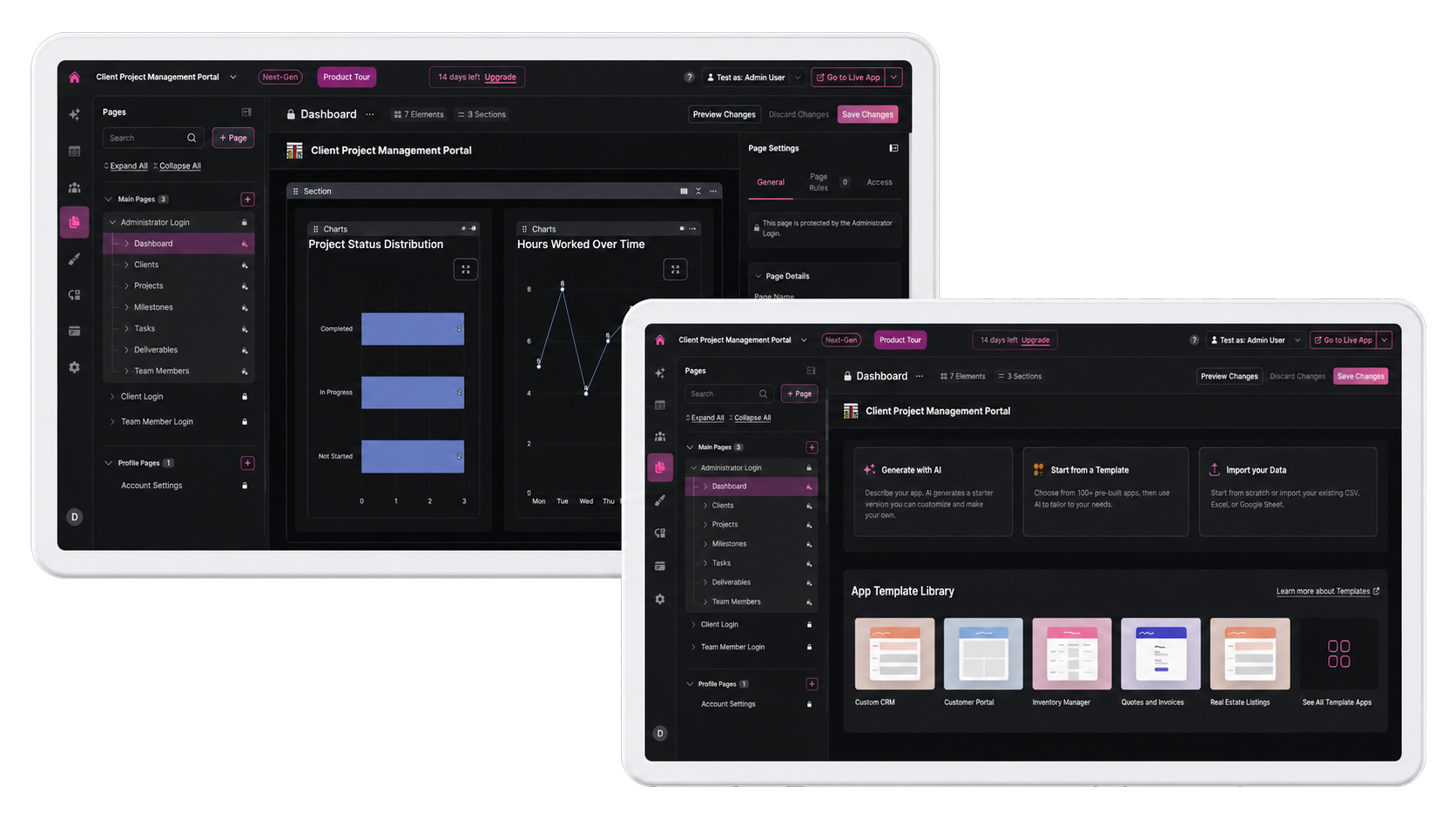
Knack is a no-code application platform where businesses build data-driven web applications through a visual builder, with custom CSS and JavaScript used where needed.
Trusted by more than 100,000 users, with over 500,000 applications built and more than 5 billion records stored, the platform serves teams ranging from small businesses to Fortune 500 companies.
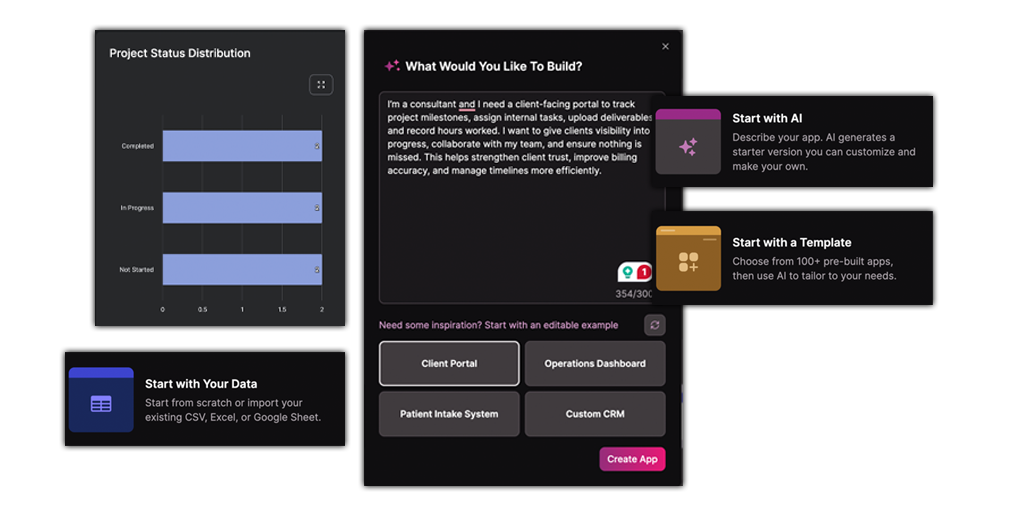
Building a native-ready frontend architecture for Knack's Next-Gen future.
As Knack scaled to thousands of highly customized customer applications, its reliance on custom JavaScript and CSS created fragile client-side logic, slow load times, and excessive API calls.
The move to Next-Gen Architecture, or v4, introduced an additional challenge because the new platform would no longer support custom JavaScript.
Knack needed a clear and evidence-based migration path that could identify how existing custom behaviours worked and determine which native features could replace them.
Spark Eighteen helped Knack replace fragile custom-JavaScript sprawl with audited, native-ready frontend architecture built for the platform’s Next-Gen future.
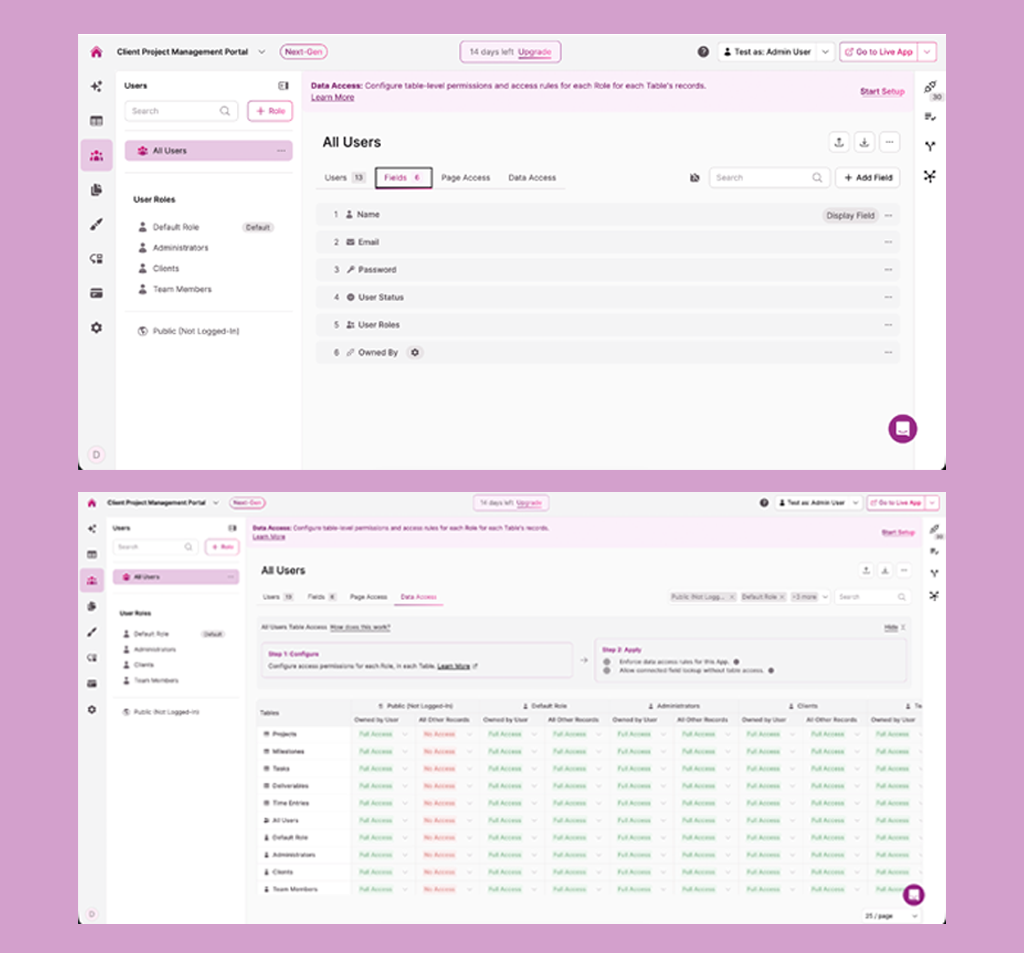
The Challenge
Knack needed to understand and reduce its dependency on custom frontend code, improve inefficient API usage, and define migration paths for applications moving to an architecture without custom JavaScript support.
Custom JS Dependency
Excessive API Calls
NGA Compatibility
The Solution
Spark Eighteen audited Knack applications built using custom CSS and JavaScript.
We categorized every frontend behaviour into five flows and mapped each one to native features, partial replacements, or identified gaps.
The team simplified client-side logic, flagged redundant API calls, and defined phased migration paths from v3 to v4.
The findings were handed over through standardized patterns and documentation.
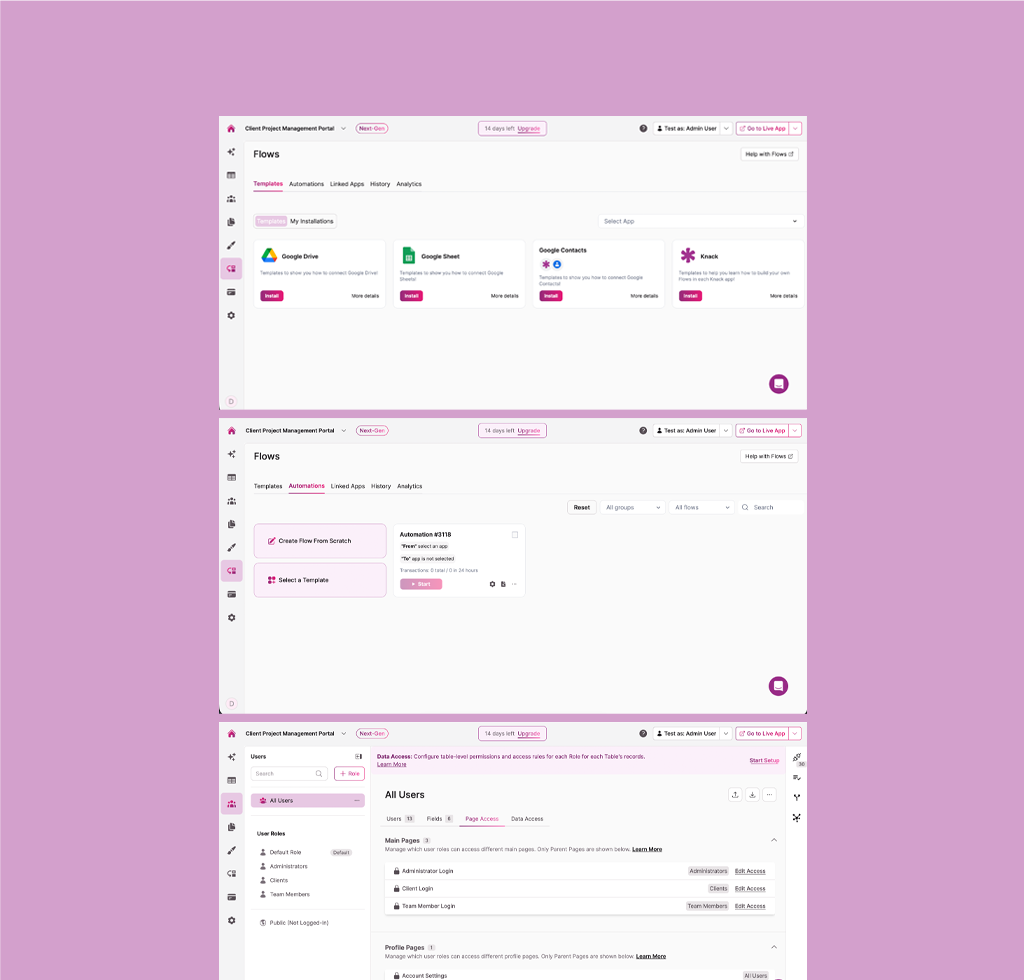
The Results
Knack’s teams can now see exactly how custom code behaves across their customer base and what can replace it natively.
The platform enters its v4 era with simpler frontends, leaner API usage, and a data-backed migration roadmap.